
Tu carrito está vacío.
Rebajas


BPC-157
Price range: $29.95 through $86.00 + impuestos
BPC-!57 - Body Protective Compound
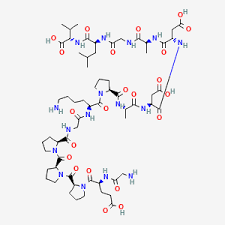
Discover the extraordinary potential of BPC-157
BPC-157 is a synthetic peptide that has garnered significant attention in wellness and biohacking communities for its potential to speed up healing. While the lab and animal studies are compelling, it's crucial to know that there are currently no large, rigorous human trials proving it is safe or effective.
Here is a breakdown of what BPC-157 is, what current research suggests, and why the medical community remains unconvinced.
🧬 What Exactly Is BPC-157?
Scientifically, BPC-157 is a pentadecapeptide, meaning it's a chain of 15 specific amino acids . The acronym stands for "Body Protection Compound," and the peptide is a synthetic fragment derived from a protein found naturally in human gastric juice .
A key property is its stability. Unlike many other peptides, BPC-157 is remarkably resistant to breakdown in stomach acid, which is why researchers hypothesize it could be taken orally .
🔬 How It Is Proposed to Work (The Theory)
The interest in BPC-157 stems from a wide range of pre-clinical studies (mostly in rats and other animal models) that suggest it promotes healing through several biological pathways:
-
Promotes Angiogenesis (Blood Vessel Growth): It may stimulate the formation of new blood vessels, which is a critical step in delivering nutrients and oxygen to damaged tissue to speed up repair .
-
Modulates Inflammation: The peptide may influence the body's inflammatory response, potentially reducing damage caused by uncontrolled inflammation .
-
Supports Tissue Repair: Studies suggest it could increase the survival and growth of cells involved in healing tendons, ligaments, muscles, and the gut lining .
📈 Potential Areas of Interest (Based on Animal Studies)
Due to the mechanisms above, BPC-157 is most commonly explored for:
-
Gastrointestinal Health: This is its most researched area. Animal models suggest it may help heal stomach ulcers, protect against damage from NSAIDs (like ibuprofen), and reduce inflammation in conditions resembling inflammatory bowel disease .
-
Musculoskeletal Injuries: It has shown promise in animal studies for healing torn Achilles tendons, muscle crush injuries, and improving ligament healing .
-
Neuroprotection: Some preliminary research suggests it may have protective effects on the nervous system, with studies exploring its role in everything from traumatic brain injury to counteracting some effects of neurotoxins .
⚠️ The Critical Gap: Human Evidence vs. Hype
Despite decades of research, there is a major disconnect between the promising animal data and the lack of evidence in humans.
For context, more than 35 animal studies have shown positive results, with researchers often noting that the peptide appears to help with almost every condition it is tested on . However, a 2025 systematic review of BPC-157 literature found only one clinical study involving humans—a small case series of twelve patients with methodological limitations .
Because rigorous human trials are missing, BPC-157 is not FDA-approved for any medical condition .
📊 Key Facts at a Glance
| Aspect | Current Status / Finding |
|---|---|
| 🧪 Research Stage | Primarily pre-clinical; abundant animal studies, extremely limited human data. |
| ⚙️ Main Mechanisms | Promotes angiogenesis (blood vessel growth), modulates inflammation, and supports cell growth. |
| 🩺 Common Investigational Uses | Gut health, tendon & muscle healing, wound repair, and neuroprotection. |
| 🛡️ Regulatory Status | Not FDA-approved. The FDA has classified it as a Category 2 bulk drug substance . |
| 🏅 Sports Status | Listed on the World Anti-Doping Agency (WADA) Prohibited List . |
🏁 The Bottom Line
BPC-157 is a molecule that shows real biological activity and has sparked genuine scientific curiosity. The problem is that the current evidence comes almost entirely from animal studies, and these results don't always translate to humans.
If you are considering BPC-157, be aware that you are operating in a "gray market" with unregulated, "research-grade" products. There are potential risks, including unknown side effects, contamination, or simply receiving a product that isn't what it claims to be .
I hope this detailed overview helps you understand the current state of research on BPC-157. Are you interested in learning about any other specific peptides or recovery science topics?
Certificado de análisis
Descripción
When labs buy BPC-157 Research Peptide for tissue culture assays, sequence purity matters most. BPC-157 is a synthetic 15-amino-acid pentadecapeptide sequence modeled after a natural gastric juice protective domain. Thus, scientists use this stable sequence to study cell motility, vascular signaling, and structural matrix repair in controlled lab settings.
Biological Mechanisms and Research Pathways
In addition, researchers actively test BPC-157 Research Peptide across core cell pathways:
- Angiogenesis & VEGFR2 Signaling: First, it upregulates vascular endothelial growth factor receptor 2 to study microvascular tube formation.
- Focal Adhesion Kinase Activation: Second, it activates FAK and paxillin pathways to accelerate cell spreading across scratch models.
- Nitric Oxide Synthase Modulation: Next, it balances eNOS and iNOS activity to regulate vascular tone and oxidative cellular stress.
- Epithelial Barrier Expression: Plus, studies track how it enhances ZO-1 and occludin tight junction integrity in gut mucosal cell cultures.
- EGR-1 Cytoskeletal Translocation: Lastly, researchers monitor early growth response-1 gene expression during collagen synthesis testing.
Comparative Delivery Research Specifications
Also, labs evaluate basic structural traits across cellular repair peptide models:
| Research Metric | BPC-157 (Pentadecapeptide) | Native Gastric Juice Protein Segment |
|---|---|---|
| Sequence Length | 15 Amino Acids (Gly-Glu-Pro-Pro-Pro-Gly-Lys-Pro-Ala-Asp-Asp-Ala-Gly-Leu-Val) | Full Intact Gastric Protein Domain |
| Proteolytic Stability | High Enzymatic Resistance in Acidic & Basic Assays | Rapid Enzymatic Cleavage in Unbuffered Systems |
| Primary Study Application | Angiogenesis & Endothelial Migration Assays | Broad Gastric Mucosal Barrier Studies |
Quality Standards and Laboratory Compliance
Therefore, our team follows strict steps to ensure consistent quality across all test batches. Furthermore, every batch of BPC-157 Research Peptide passes full testing to ensure over 99% purity. Please note that we sell all items for lab research only. They are not for human or animal consumption.
Información adicional
| Peso | 1 oz |
|---|---|
| Dimensiones | 9 × 6 × 2 in |
| Tamaño | 10mg, 20mg, 5mg |
Productos relacionados
-
Rebajas
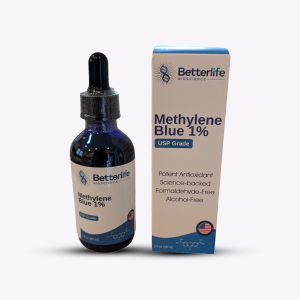
Azul de metileno
(5 opiniones) -
Rebajas
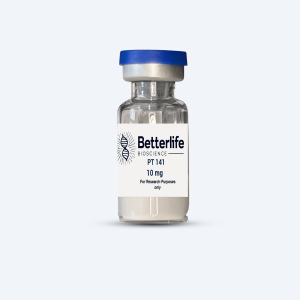
Pt141
El precio original era: 48,00 $.$45.00El precio actual es: 45,00 $. + impuestos(3 opiniones) -
Rebajas
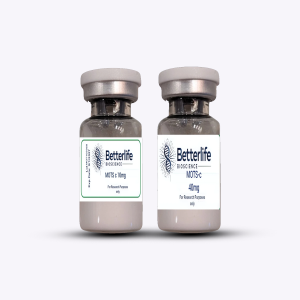
Palabras -C
Price range: $47.50 through $125.00 + impuestos -
Epitalon
Rango de precios: de 42,00 $ a 89,00 $ + impuestos(5 opiniones)
Opiniones
Aún no hay opiniones.